Ethical Bird Photography: A Checklist for Getting Close Without Causing Stress
September 28, 2026 - Photography
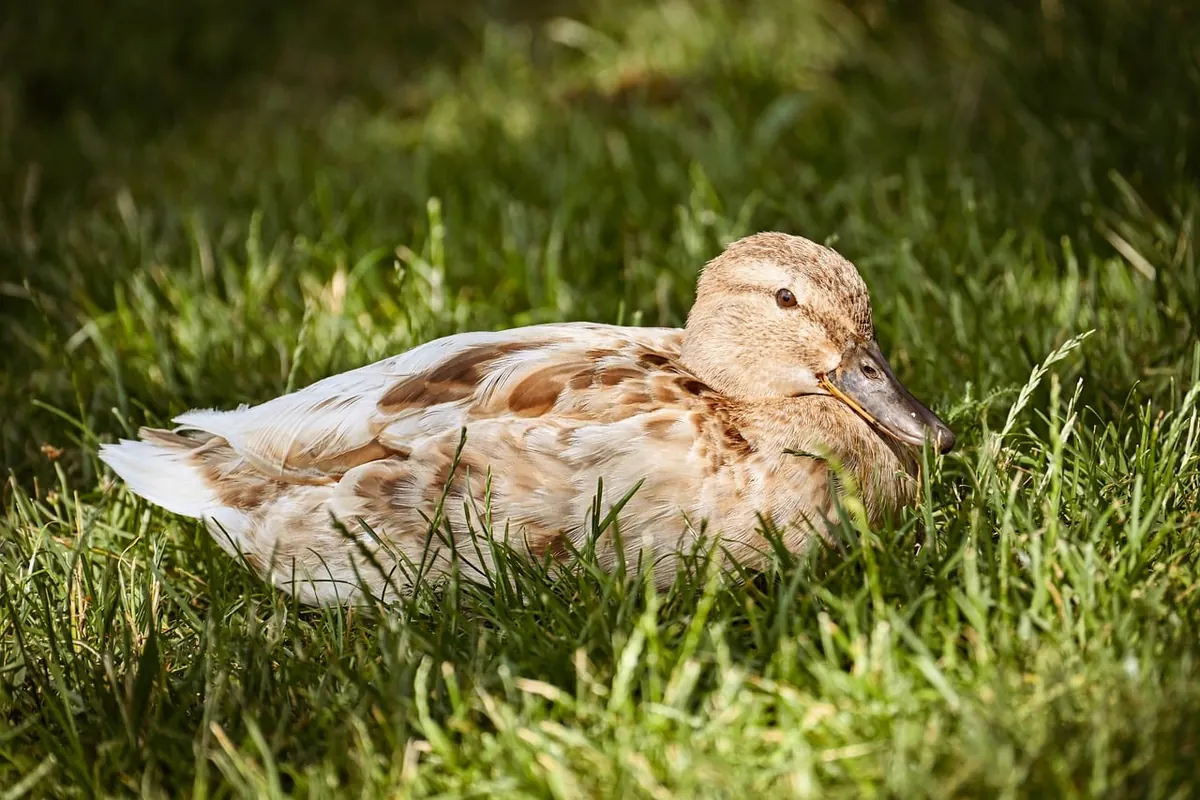
Water is the one thing almost every garden bird needs and few gardens supply properly. A bird bath helps. A pond does considerably more: it offers drinking water, a place to bathe and preen, a hunting ground for insects, and mud for house martins and swallows to build with.
You do not need a digger, a big budget or an acre of land. A pond a metre or two across, sunk into a border and planted with a handful of native species, will draw in more birds than most feeders do. The trick is to do the jobs in the right order: site it properly, dig it once, plant it sensibly, then leave it largely alone.
A bird bath gives birds somewhere to drink and splash. A pond adds what a bird bath cannot: shallow, gently sloping edges where a blackbird can wade without soaking its belly feathers, mud for nest building, and a whole food chain. Damselflies, hoverflies, midges and other insects emerge from the water, and those insects are exactly what blue tits, wagtails, swallows and robins are hunting through spring and summer.
Birds also bathe all year round, not just in summer. Feathers need regular cleaning and realigning to trap air and keep a bird warm, which is why a bathing spot matters as much in January as in June. In a frosty spell, an area of open water can be the busiest place in the garden.
Get the position right and the pond almost runs itself. Get it wrong and you will spend years fighting algae, fallen leaves and cats.
Mark the outline with a length of rope or a hosepipe, and make it irregular. Curves and bays give you more planting shelf and more places for birds to stand than a perfect circle, and they sit better in a border.
Dig in two zones. Around the edge, cut a shallow shelf about 25 centimetres wide, with 5 to 10 centimetres of water over it — that is where marginal plants go. Take the centre down to 40 to 45 centimetres for a pond two metres or more across, or 30 centimetres for a small one. Deeper water stays cooler in summer and will not freeze solid in winter, which matters for anything overwintering in the silt.
On at least one side, make a gently sloping ramp rather than a cliff edge, and line it with smooth pebbles so it forms a beach. Birds wade there, and anything that falls in can climb out. This single detail is the difference between a pond birds use constantly and one they ignore.
Lay a plank across the hole with a spirit level on top to check the rim is level. Clear sharp stones and roots, then add a protective underlay before the liner — old carpet, a layer of sand or proper geotextile all work. Flexible butyl or EPDM liner will outlast most garden projects. A preformed rigid liner is easier for a very small pond because it holds its shape without folding.
If digging a hole is not practical, a large container sunk to its rim — or even a half barrel on a patio — will do the job. Add a stack of stones at one end so small birds and hedgehogs have a shallow way in and out.
Fill with rainwater from a water butt if you can. Tap water works, but it arrives carrying nutrients that feed algae, so let it stand for a day or two before planting. Leave the pond a week to settle.
Leave at least a third of the surface open. Birds need clear water to bathe in, and light needs to reach the plants below.
Read the labels before you buy, and never tip pond plants into a wild pond or ditch. Floating pennywort, parrot's feather and New Zealand pigmyweed are banned from sale in the UK because they smother waterways and cause lasting damage.
Bird-friendly ponds are unfussy ponds. Skip the fish: goldfish and koi eat insect larvae and tadpoles, and their waste feeds algae, so you end up feeding and filtering what should be a self-contained habitat. Keep pesticides, fertilisers and weedkillers well away from the water.
Leave an exit route for anything that falls in — a half-submerged log or a sloping stone will do. Never net a pond to keep birds out, since the point is to let them in. And in a cold snap, melt a hole in the ice by floating a ball or a pan of hot water on the surface rather than smashing it, which sends a shock wave through the water.
Autumn is the busiest season. Skim fallen leaves with a net or rake before they sink, but do not strip the pond bare; a little leaf litter and dead plant material gives insects somewhere to overwinter.
In spring, resist the urge to empty and scrub everything. Frogs, newts and damselfly larvae are in the water, and a full clean destroys a season's breeding. Thin overgrown plants in late spring instead, once the young have left. Top up with rainwater in dry spells to keep the shelf covered and the pebble beach just breaking the surface.
You do not have to dig a hole the size of a car. A sink, a half barrel or a rigid liner set into a border will bring birds in, and you can enlarge it later. If the pond has a shallow pebble edge, a ramp out, rainwater in it and no fish, you have built the hard part.
Within a few weeks of planting, expect a blackbird or a blue tit to find the shallow edge. By next summer you may have wagtails hunting insects over the water, a resident frog and a dragonfly or two. After that, the best maintenance advice is simply to sit still, watch, and interfere only when something genuinely needs doing.
Photo: Alexas_Fotos / Pixabay

A practical checklist for photographing birds without causing harm, covering fieldcraft, distance, nesting season,...
Bill length, leg colour, call and habitat are enough to separate curlews, whimbrels and both godwits. A practical...
Copyright © 2026 Plume Loop. All Right Reserved.