Ethical Bird Photography: A Checklist for Getting Close Without Causing Stress
September 28, 2026 - Photography
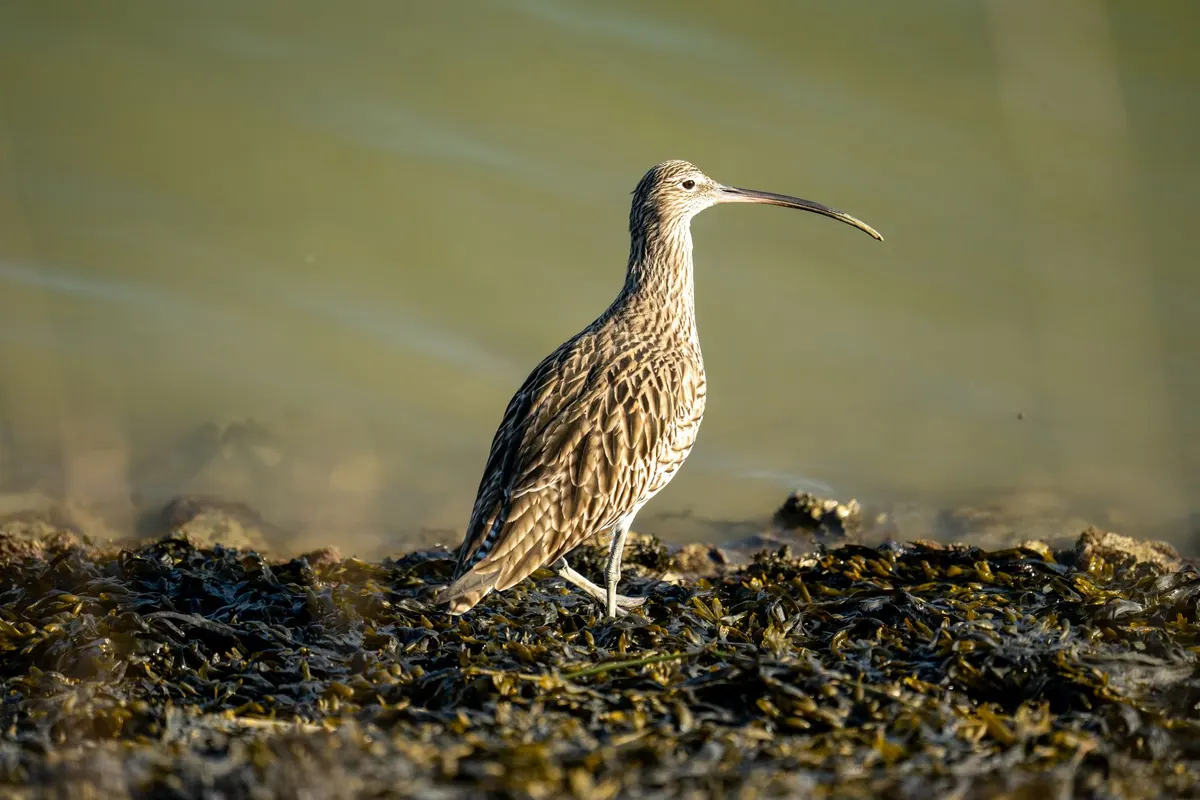
Most birdwatchers can name a few species that have slipped away from their local patch without quite noticing when it happened. The yellowhammer that sang from the same hedge every June. The swifts that no longer scream over the terrace in July. The greenfinches that once queued on the feeders and then simply stopped. The UK red list exists to turn those private, half-formed observations into something you can actually act on.
It is not a memorial, and it is not a verdict. It is a working assessment, revised at intervals, and it tells you which of our regularly occurring birds are in trouble, how serious that trouble is, and which pressures sit behind it. Read it properly and it becomes a map of where to spend your time.
The list most people mean when they say "the UK red list" is Birds of Conservation Concern, usually shortened to BoCC. It is compiled by a partnership of conservation and research organisations, including the RSPB, the British Trust for Ornithology, the Wildfowl and Wetlands Trust and the Joint Nature Conservation Committee, and it assesses every bird species that occurs regularly here: breeders, winter visitors and passage migrants alike.
The most recent full assessment, BoCC5, was published in 2021 and reviewed the status of well over two hundred species, placing each one in a red, amber or green category. Work on the next assessment continues in the background, drawing on decades of monitoring data — a great deal of it collected by volunteers.
One caveat is worth holding on to. This is an assessment of conservation status, not a legal schedule of protected species. A red-listing does not automatically stop a development, change a planning decision or unlock funding. It tells you where the trouble is; it does not, by itself, fix it.
That distinction matters. The red list is a triage tool. It helps conservationists, land managers, policymakers and ordinary birdwatchers decide which species need attention first. It is not a league table of how much anyone cares, and it is not a prediction that a species will vanish tomorrow. Many red-listed birds are still widespread. The point is that their populations are falling fast enough, or have fallen far enough, to warrant urgent concern.
The three categories are simple to remember, but they are built from detailed criteria. In broad terms, a species goes red if it meets one or more of the highest concern thresholds: it is globally threatened, it has suffered a historical decline in the UK, or it has shown a severe recent decline — often a drop of more than 50 per cent over 25 years in breeding or wintering numbers. Rarity, limited range and international importance can also push a species up the list.
Amber covers species of moderate concern. They may have declined by 25 to 49 per cent, be scarce and localised, or be concentrated in a small number of sites that could be lost. Green is for species that are currently doing relatively well across the UK. Green does not mean common everywhere, and it certainly does not mean safe. It means that, at the national scale, the species does not currently meet the red or amber thresholds.
The list also separates different populations where it needs to. A bird might be red as a breeding species but amber or green as a winter visitor, or vice versa. Goldeneye, for example, is a scarce breeder in Scotland but a much more familiar winter duck on lakes and reservoirs further south. The red list can flag one part of its UK story while another part looks healthier.
BoCC5 added several familiar species to the red list. The Swift and House Martin joined it, reflecting long-term declines in breeding numbers and range. So did the Greenfinch, once one of the most ordinary garden birds in Britain, after its population was hit hard by the disease trichomonosis. Other additions included Goldeneye, Smew and the European White-fronted Goose, underlining that the red list is not only about garden birds or farmland birds; it covers wintering waterbirds and scarce visitors too.
There was better news as well. The Bittern moved from red to amber after decades of habitat creation and careful management helped its booming call return to more reedbeds. That recovery is a useful reminder that the list can move in both directions. Conservation works, but it usually works slowly, at scale, and only when the right pressures are addressed.
For a local patch, the most useful change is often not the headline species but the newly red-listed ones you can still see. If Swift and House Martin are now red, then every screaming party over your street is not just a summer pleasure; it is a record worth submitting. If Greenfinch is red, then a healthy feeder flock is a small but meaningful data point.
National assessments are built from local data. The BTO’s Breeding Bird Survey, the Wetland Bird Survey, BirdTrack, ringing schemes, county bird reports and thousands of casual
Photo: Wijs (Wise) / Pexels
A practical checklist for photographing birds without causing harm, covering fieldcraft, distance, nesting season,...
Bill length, leg colour, call and habitat are enough to separate curlews, whimbrels and both godwits. A practical...
Copyright © 2026 Plume Loop. All Right Reserved.